

In this Article
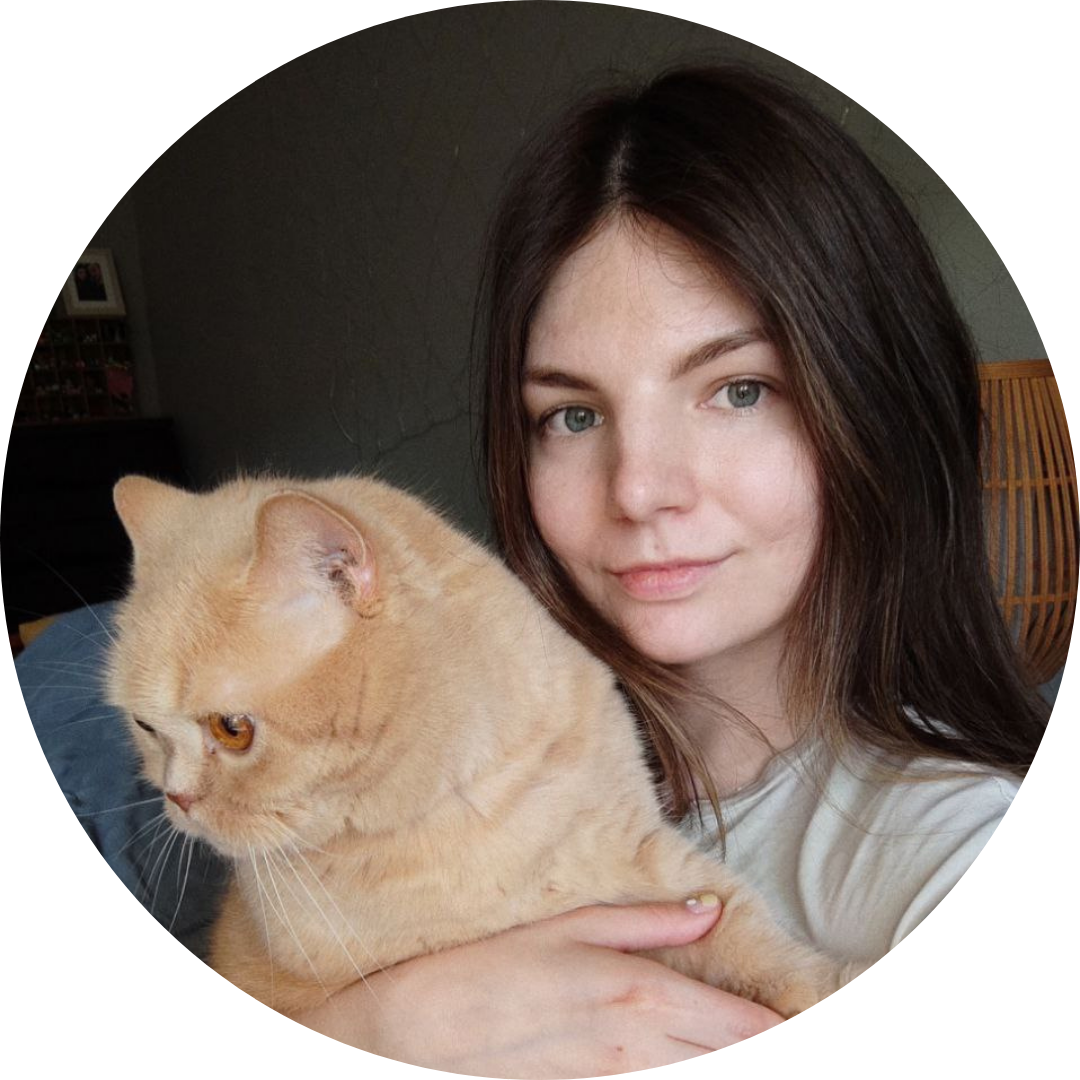
🌿 Introduction: A Quiet Conversation Without Words
Every morning, when my beloved James jumps onto the bed and gives me his signature “slow blink,” I feel as if he’s whispering, “Good morning, human. You may serve me now.” 😌
Cats speak constantly — not with words, but with tails, whiskers, posture, silence, and even the rhythm of their paws. Their world is full of subtle signals, and when we learn to read them, something magical happens:
we finally understand their thoughts, fears, preferences… and sometimes their dramatic moments.
Today, let’s explore the poetic, expressive language our cats use every single day.
🐈 The Tail: Your Cat’s Emotional Thermometer
A cat’s tail reveals more than one might imagine. Here’s a simple guide to the “long, fluffy truth”:
-
Tail straight up:
Confidence, happiness, “I like you” energy ✨ -
Tail curled like a question mark:
Curious and playful — a perfect time for a feather toy. -
Tail puffed up:
Fear or overstimulation. James does this when he sees the vacuum cleaner 😅 -
Tail low or tucked:
Anxiety or discomfort. Time to offer gentle reassurance. -
Slowly swishing tail:
Focused, alert, maybe ready to pounce 🐾 -
Fast whipping tail:
Irritation. Best to respect the king’s space 👑
👀 Eyes and Blinks: Windows to a Cat’s Heart
Cats express enormous emotion through their eyes — especially with the famous “slow blink.”
-
Slow blink:
A sign of trust and affection. James saves this for special moments 💛 -
Wide, round eyes:
Surprise, excitement… or plotting. -
Narrowed pupils in bright light:
Content and relaxed. -
Dilated pupils:
Fear, playfulness, or nighttime zoomies incoming! 🌙💨
Try slow blinking at your cat — they may blink back, and that’s essentially a feline “I love you.”
👂 Ears: Little Radar Antennas
Cats move their ears with incredible precision — almost like finely tuned instruments reacting to the world.
-
Ears forward:
Interest, curiosity, and focus. -
Ears sideways (“airplane ears”):
Uncertainty or mild stress. -
Ears pinned backward:
Fear, aggression, or overstimulation. -
One ear forward, one back:
Multi-tasking — listening to the room and judging you simultaneously 😼
🐱 Body Posture: The Story Behind Every Pose
💛 Relaxed Cat
Soft body, stretched out, belly exposed.
This means trust. Treasure it.
🌀 Crouched Cat
Tense muscles, ready to flee.
Your cat feels unsafe or nervous.
🎋 Arched Back
Classic Halloween cat pose.
Fear + the desire to appear larger.
🍞 “Loaf” Position
Paws tucked under the body.
Comfortable, calm, and saving warmth — one of James’s signatures.
🤍 Head Butts and Nuzzles
Marking you as safe, loved, and “mine.”
It’s the highest honor in the feline universe.
🎶 Vocal Cues: When Cats Add Sound to the Conversation
-
Purring:
Joy, comfort… or self-soothing during stress. -
Chirping:
Hunting excitement or greeting. James chirps at birds like he’s giving them instructions 😄 -
Trilling:
Friendly “hello!” or an invitation to follow. -
Growling or hissing:
A clear “stop.” Respect immediately.
🌟 Practical Tips to Communicate Better With Your Cat
- Offer slow blinks to build trust.
- Approach from the side, not directly — less threatening.
- Let your cat initiate affection.
- Watch the tail before petting — it tells you exactly how they feel.
- Create vertical spaces (like wall-mounted shelves) to reduce stress and give them safe observation points.
- Provide cozy and natural textures — cats relax more in warm, eco-friendly, familiar materials.
(RshPets wall shelves and corner sets are perfect for this — they support natural feline behavior while blending beautifully into your home 🌿.)
💛 Conclusion: Listening With Your Heart
Understanding your cat’s body language isn’t just about decoding signals — it’s about building a deeper connection with the mysterious little creature who shares your home.
Every tail flick, blink, and gentle head butt is a chapter of a story your cat is telling you. And once you learn to listen, life becomes richer, quieter, and filled with even more love 💕🐾.
If you want to support your cat’s natural communication and behavior, explore our collection of eco-friendly wall-mounted shelves at RshPets — designed to help your cat feel safe, confident, and wonderfully understood.