

In this Article
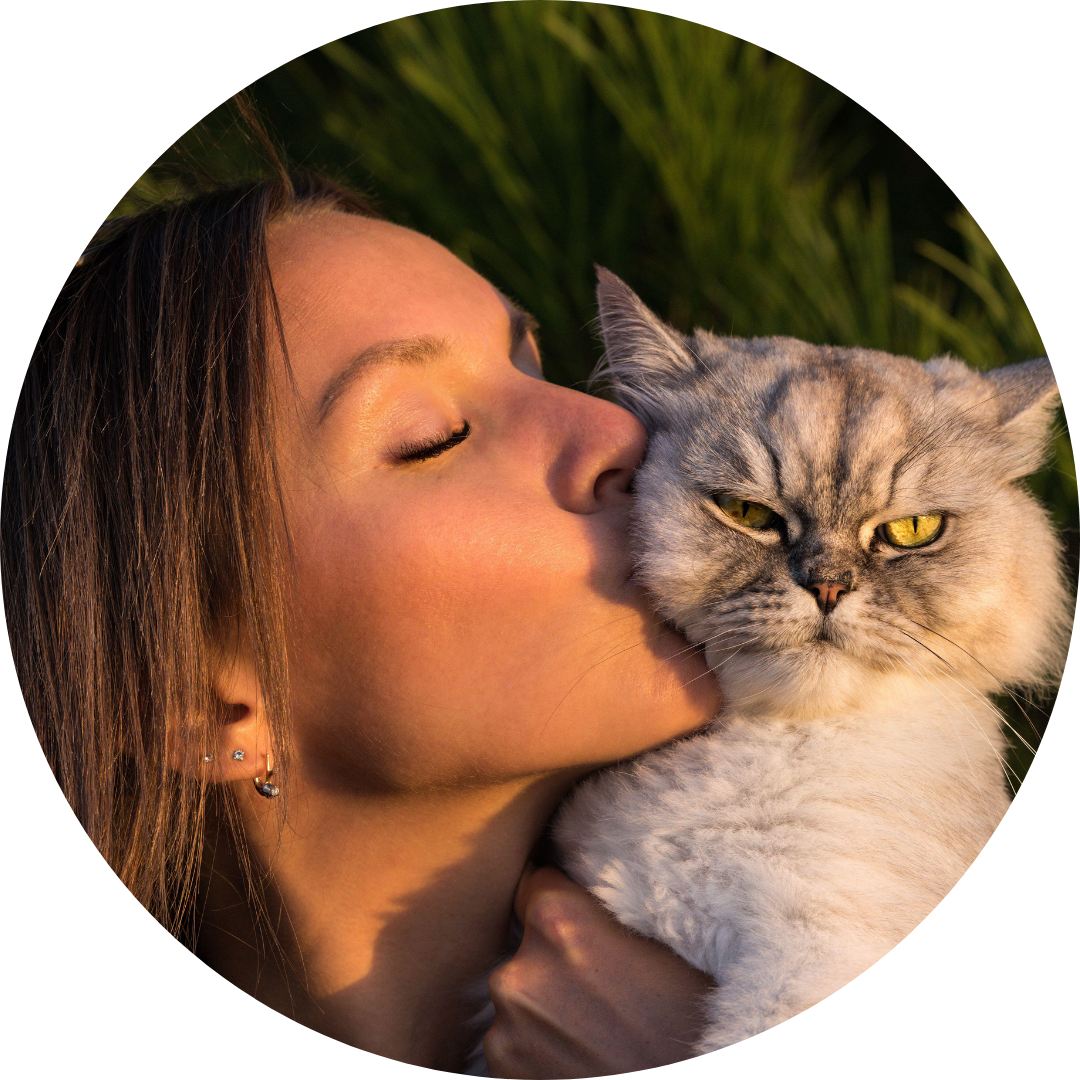
Last summer, I almost missed the signs.
At first, I thought my friend Rachel’s cat, Oliver, was simply “being moody.” He became quieter, stopped greeting people at the door, and suddenly started disappearing for hours.
Nothing dramatic had happened. He still ate, slept, and occasionally played. But something felt… different.
And honestly? Rachel almost ignored it.
“It’s probably the heat,” she kept saying.
But then Oliver started doing something strange.
The Mystery of the Closed-Door Cat
Oliver had always been sociable. He loved sitting near the kitchen while Rachel worked, curling up beside guests, and quietly following everyone around the apartment.
Then June arrived.
The windows stayed open longer. Fans hummed during the day. Rachel’s kids were suddenly home for summer break. Weekend visitors came more often. Even the daily routine shifted — later dinners, longer evenings, more movement around the house.
And Oliver?
He started hiding.
Not constantly — just enough to feel unusual.
Sometimes he disappeared into quiet corners. Other days, he sat silently in elevated spots, simply watching everything from afar.
At first, Rachel worried he was upset or becoming distant.
But the truth turned out to be something much simpler.
Oliver wasn’t becoming antisocial.
He was overwhelmed.
Summer Changes Affect Cats More Than We Realize
Many cat owners don’t notice how much summer quietly changes a home environment.
For indoor cats especially, small shifts can feel surprisingly big:
-
more noise at home,
-
guests coming and going,
-
children staying home,
-
open windows and unfamiliar outdoor sounds,
-
changing routines and sleeping schedules.
Cats thrive on predictability.
Even positive changes can sometimes feel stressful.
And unlike dogs, cats rarely announce stress dramatically. Instead, they communicate through subtle behavior changes.
Signs Your Cat Might Be Feeling Overstimulated
Rachel started noticing small clues she had ignored before.
Oliver wasn’t hiding because he was unhappy.
He was looking for calm.
Some common signs cats may feel overwhelmed include:
-
spending more time alone,
-
sleeping in unusual places,
-
avoiding busy rooms,
-
becoming quieter (or sometimes more vocal),
-
watching from high places instead of joining activity.
For many cats, elevated resting areas feel safer because they offer distance, visibility, and quiet. Rachel realized Oliver was drawn to shelves and higher furniture — he needed a vantage point. Later, she even added a wall‑mounted resting spot, which quickly became his favorite retreat.
Creating a Summer-Friendly Home for Your Cat
Rachel didn’t make huge changes.
Instead, she focused on small comforts.
She created quieter resting areas, refreshed Oliver’s routine, made sure he had peaceful places to retreat, and encouraged short play sessions during cooler hours.
Adding vertical spaces — like wall‑mounted shelves, climbing steps, and cozy elevated beds — gave Oliver safe zones where he could observe without feeling trapped. It wasn’t about “fixing” him. It was about giving him choices.
Within a couple of weeks, Oliver slowly returned to his old self — greeting people again, spending time with the family, and occasionally retreating only when he truly wanted rest.
And honestly, the whole experience reminded me of something important:
Sometimes cats aren’t acting strange.
Sometimes they’re quietly asking us to slow down and notice what has changed in their world.
What About Your Cat?
Have you noticed small behavior changes when summer arrives? Does your cat become more social, more independent, or suddenly claim a new quiet spot in the house?
Share your stories in the comments — and if you’d like, post photos of your cats in their favorite summer hideaways or relaxing spots at home. 🐾